A design book in the search for a chair · prototype edition
The Hundred-Year Chair
Designing atoms in the age of bits.
A chair lasts by being lovable, legible, and maintainable. Wanted enough to be kept, clear enough to be understood, easy enough to keep up: those three make a chair lasting. Standardization does not. Everything here, the geometry, the joints, the finish, the mark, serves the three, and the one they cannot guarantee, that the chair is truly lovable, is the project’s honest risk.
Build · the atoms
The Pattern
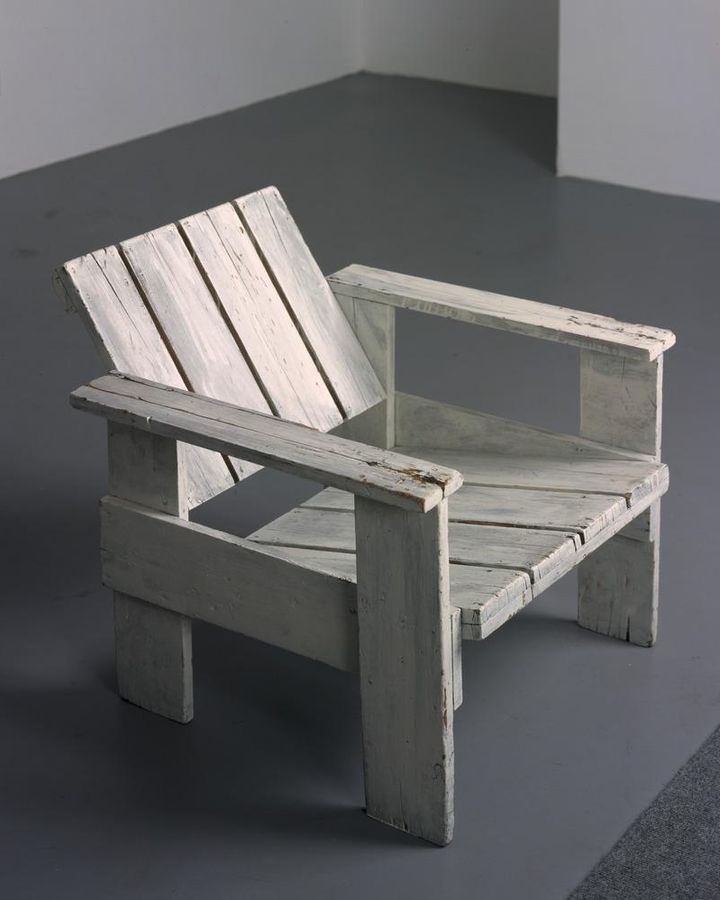
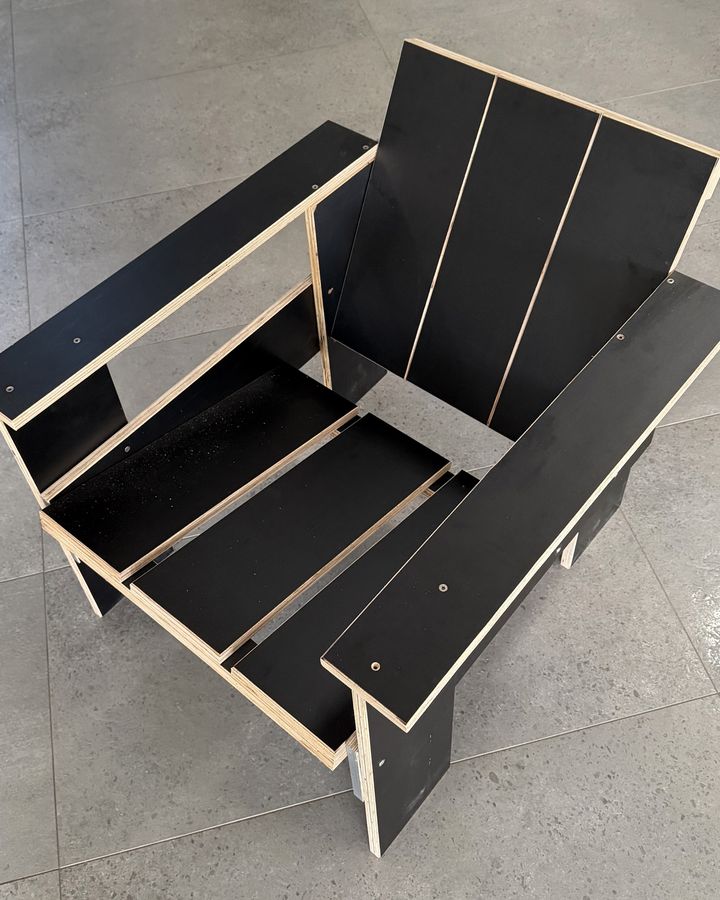
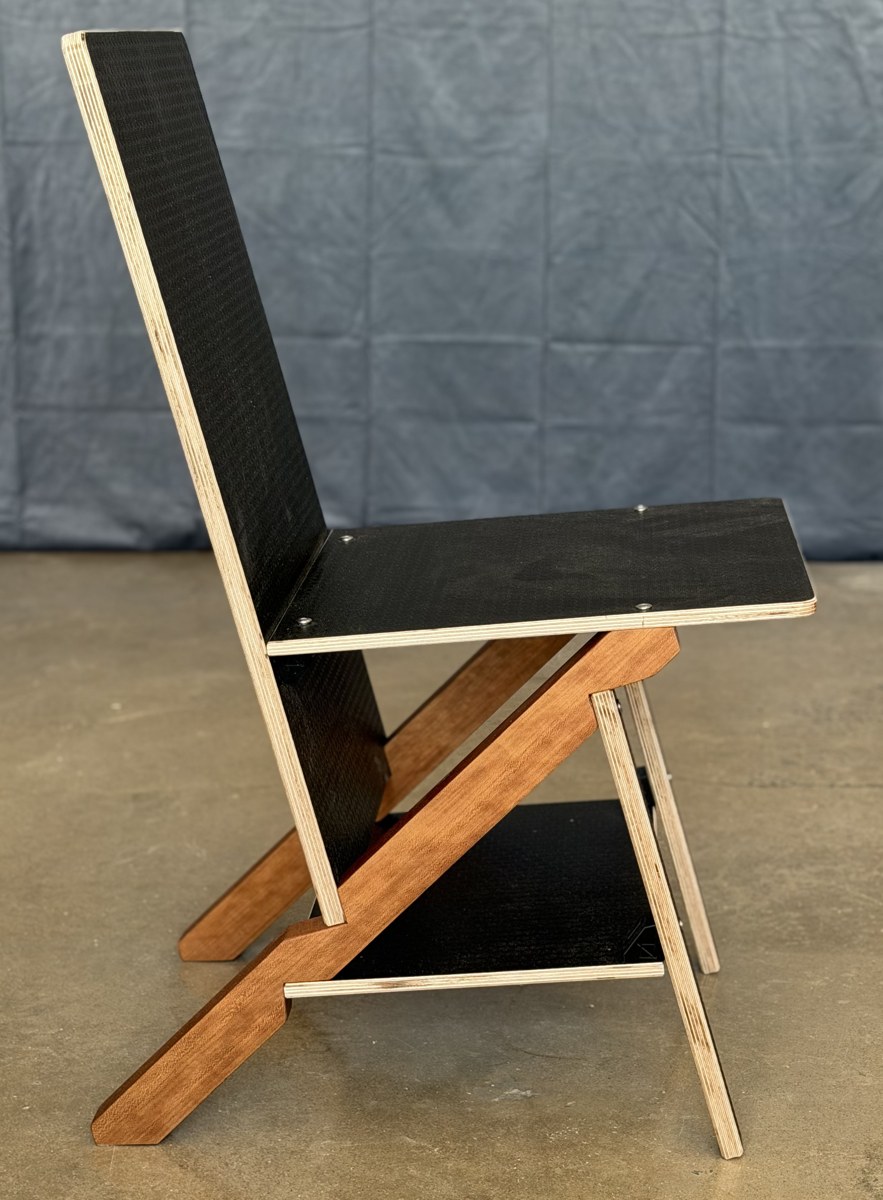
Three chairs built to one geometry, each with its drawings and its cut list: Rietveld’s 1934 crate lounge, the Keel Panel on its hardwood keel, and the Keel Truss pinned at the arm. Free to build, free to improve; a chair conforms by passing the tests, not by resembling the drawing.

Verify · the weeds
Technical Notes
The details the narrative keeps out: why bolted joints go slack, how wide the keel has to be, doing mechanical CAD by conversation. Every claim says whether it is verified, standard, derived, or unverified.
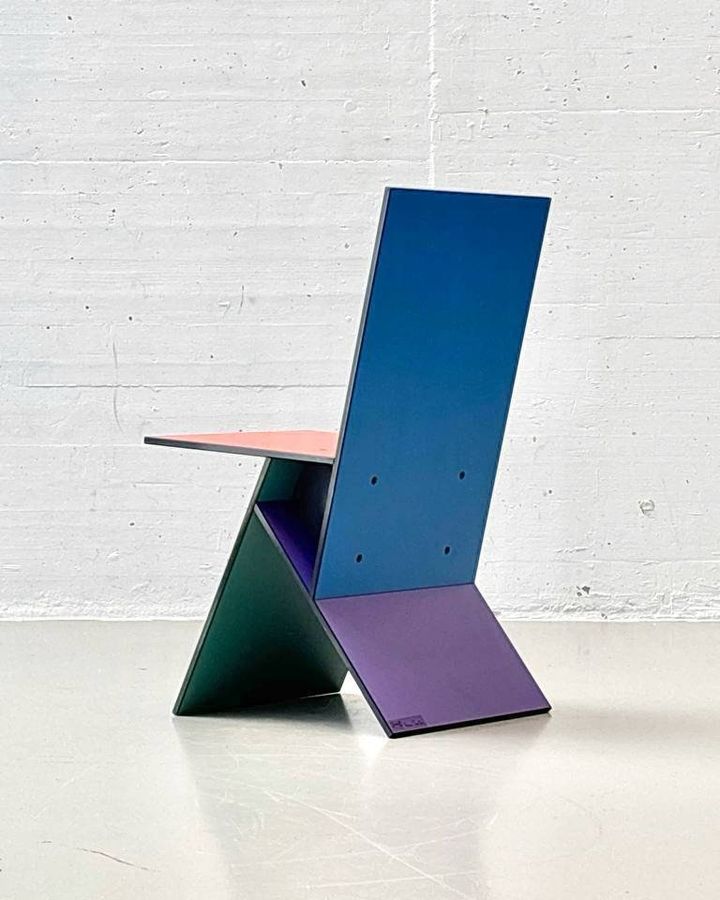
Instruments: the Fan (a century of seat-and-back geometry) · the Timeline (watch the design walk from the Vilbert to the truss) · the Gallery (the workshop record in photographs) · the Lineage (the family tree, dated against the tape) · the Tape (the collaboration itself, measured: bouts, tokens, bits and atoms) · the Ledger (every open verification item, in one place)
The Hundred-Year Chair · hundredyearchair.com · prototype, August 2026. Every figure on this site is generated from the same scripts that cut the chair; where a value is estimated rather than measured, it says so. The four photographs above are the pedigree in the flesh; the scale drawings live on in the timeline. Archival material: Centraal Museum Utrecht, Rietveld Schröder Archive.